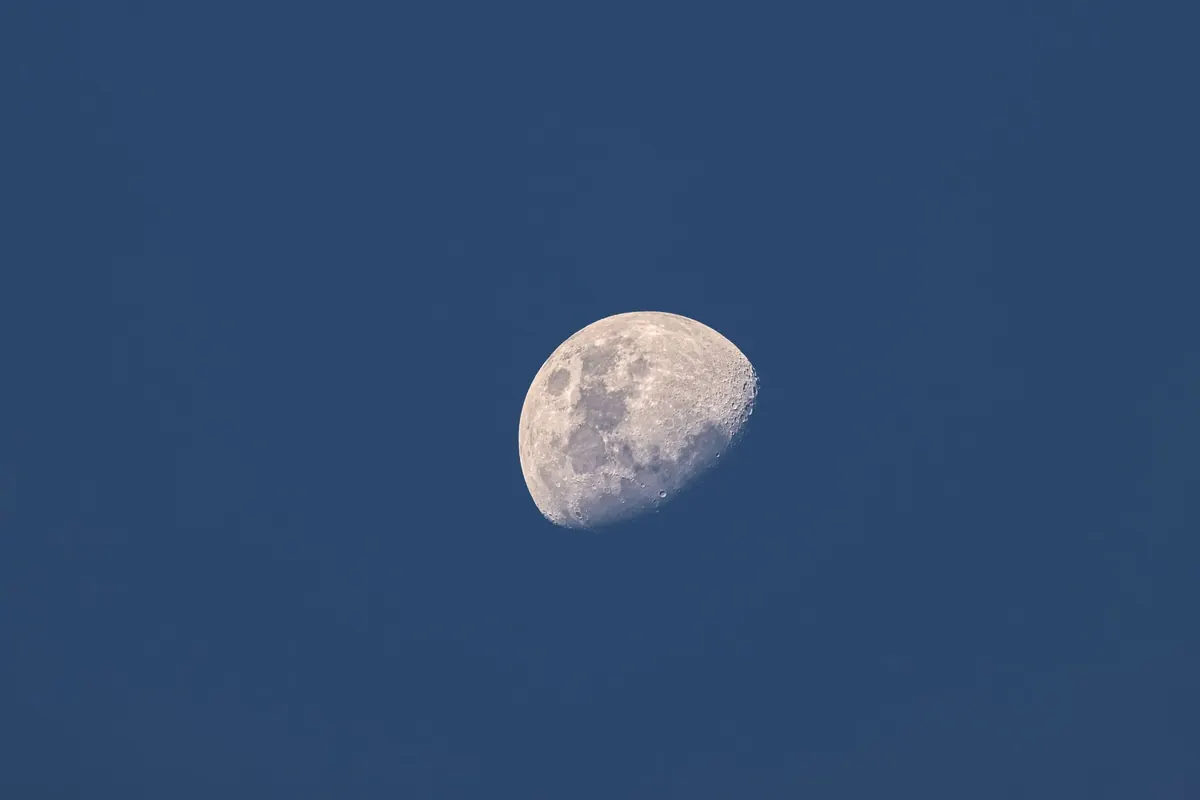
The Eight Moon Phases as Poetry Prompts: What Each Phase Can Teach Your Draft
Most poetry prompts come from the outside: a postcard, a misheard lyric, a word pulled from a hat. The Moon is a different kind of prompt. It arrives on a schedule, changes shape whether or not anyone is watching, and asks only that you look up. Eight times a cycle it offers a new quality of light — and each one suggests a different way to think about a draft that is half-finished, over-finished, or refusing to start. What follows is a phase-by-phase guide, with prompts you can use tonight.
New Moon: Write Into the Dark
The new moon is the least visible and the most fertile. Nothing is lit; the sky is at its darkest, and the stars finally get their chance. Symbolically this is the seed underground, the unwritten line, the subject you keep circling without naming.
Drafts begun here should stay small and unlit. Resist the urge to explain.
- Write a poem in which the central subject is never named — only approached from three angles.
- Begin three successive sentences with "Before," and let the poem find its subject in what comes after.
- Describe a room you know well using sound and temperature only. No light, no colour.
If a line surprises you, keep it and stop. The new moon is not the phase for finishing; it is the phase for planting something you cannot yet see.
Waxing Crescent: The First Thin Line
A few nights later, a sliver appears — often with the rest of the Moon faintly visible inside its curve, that pale ghost called earthshine. It looks like a hook, a cradle, a comma. Everything about the crescent is a question of proportion: a little light holding a great deal of dark.
That is a useful model for a poem's opening. One certain line can carry a whole page of uncertainty, provided the line is specific.
- Write a nine-line poem where you are sure of only the first line. Let the rest guess.
- Keep a draft to a single image and let that image change once, at the turn.
- Write about a beginning that was smaller than you wanted it to be.
A note on restraint: crescent drafts fail when the writer hurries to fill the dark. Leave the dark in. A sliver of a poem that holds its shape is worth more than a page that explains itself.
First Quarter: The Half-Finished Argument
At first quarter, exactly half the visible face is lit, and the dividing line — the terminator — is the sharpest edge in the sky. It is a phase of tension rather than resolution. Something is showing; something is held back.
This is the phase for the middle of a draft that has stopped working. Instead of adding more, look for the argument inside the poem.
- Write a poem in two voices: the lit half and the shadowed half. Give each six lines.
- Write a poem that contradicts itself between stanzas and refuses to settle.
- Describe a decision as a line drawn across a face.
Try this on a stalled draft: in the margin, list everything the poem is not saying, in plain sentences. Keep one of those sentences. Fold it into the poem where it will do the most damage. Half-lit is not the same as half-done.
Full Moon: The Poem That Shows Everything
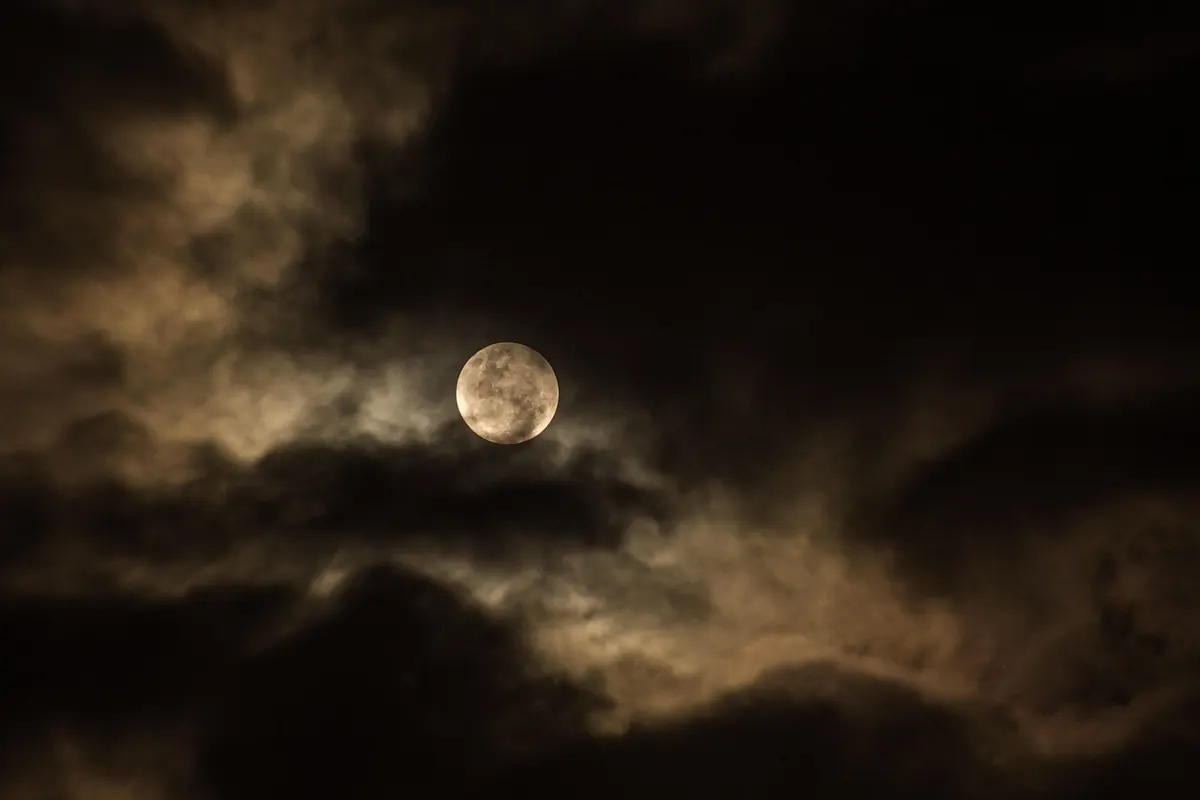
The full moon is bright, sociable and slightly too much. It lights the whole yard, keeps people awake, and flattens the shadows that made the earlier nights interesting. In a draft, this is the phase of full disclosure — the version where you finally say the thing.
So say it. Write the plainest possible poem about the subject you have been avoiding. No metaphor, no weather, no borrowed imagery. Then cut it to six lines and keep the least decorated one.
Prompt: write the sentence you would only say at two in the morning. Then build four lines around it that do not explain it.
Full-moon drafts tend to be over-lit: everything visible, nothing held back, no work left for the reader. Before you finish, add one detail that resists the general brightness — a scuff on the floor, a wrong name, a sound from the next room. A single unlit corner makes the rest seem brighter.
Waning Gibbous: The Generous Revision
The Moon begins to withdraw, but there is still plenty of light. Traditionally this is the phase of sharing and digestion — the after-party, when you tell someone what happened. It is the best phase for revising without flinching.
Read it aloud, badly
Read your draft once, quickly, without performing it. Mark the places where your breath catches or your eye jumps ahead. Those marks are not errors; they are where the poem is alive. Everything else is a candidate for cutting.
Four passes that work
- Circle every abstract noun. Replace three of them with something you could photograph.
- Find the image doing the most work and give it more room — a whole stanza, if it earns it.
- Delete the first line and the last line. Read again. If the poem still stands, leave them out.
- Cut your second-favourite line. It is usually the one showing off.
Generous revision means giving the poem what it needs rather than what you wanted it to need. Sometimes that is a new stanza. More often it is a smaller poem.
Last Quarter and Balsamic Crescent: The Cut and the Compost
In the final week the light thins from the far side, and the last crescent before the new moon is the one most people never see — a thin arc in the dawn. This is the phase of release, decay and the useful dark.
- Write a farewell to a poem you will never finish. Be specific about what it was trying to do.
- Describe an object being taken apart kindly — a clock, a fence, a letter.
- End a poem on an empty line and trust the white space to do the last of the work.
Keep a compost file: one document for cut lines, abandoned openings and images you are not ready to lose. Nothing in it is a failure. Much of it will come back in another poem, wearing different clothes, three months from now.
How to Work These Prompts Into a Real Draft
You do not need to follow the lunar calendar to use any of this, though there is a certain pleasure in it. Match the phase to the problem in front of you: no beginning, a stalled middle, an over-exposed ending, a draft that needs a firmer hand.
- Set a timer for twenty minutes and write to one prompt only.
- Do not revise in the same sitting. The prompt writes; another day edits.
- Keep every draft, dated, in one place. You will start to notice which phases you favour.
- Once a month, reread the compost file before you write anything new.
Above all, treat the phases as questions rather than rules. The Moon does not tell anyone what to feel; it keeps showing a different amount of itself and letting the rest stay dark. A poem can do the same. Write the lit part well, leave the shadow honest, and let the reader's eye finish the work.