Autumn Moon Poetry: Using Harvest Light and Falling Leaves in Your Lines
Autumn arrives with a change in the quality of light. Evenings come earlier, the air carries a bite, and the moon seems to rise into a sky that has been scrubbed clean. For anyone writing moon poetry, this is the most generous season of the year — not because autumn is prettier than spring, but because it gives you so much concrete material to work with. Harvest, decay, low gold light, cold dew, the smell of cut grass: every one of these is a lever you can pull in a poem.
This piece is about how to use that material without leaning on the obvious. We will look at the images autumn offers, how to keep them from turning into decoration, and a few habits that will make your drafts sharper.
Why the Autumn Moon Reads Differently
The moon is the same object all year. What changes is what surrounds it. In summer, a full moon rises into a warm, hazy sky; the night is long and social. In winter, the moon is hard and remote, cutting through bare branches. Autumn sits between those two, and that is where its power lies — it is the season of transition, and the moon is the perfect symbol of transition because it is never the same shape twice.
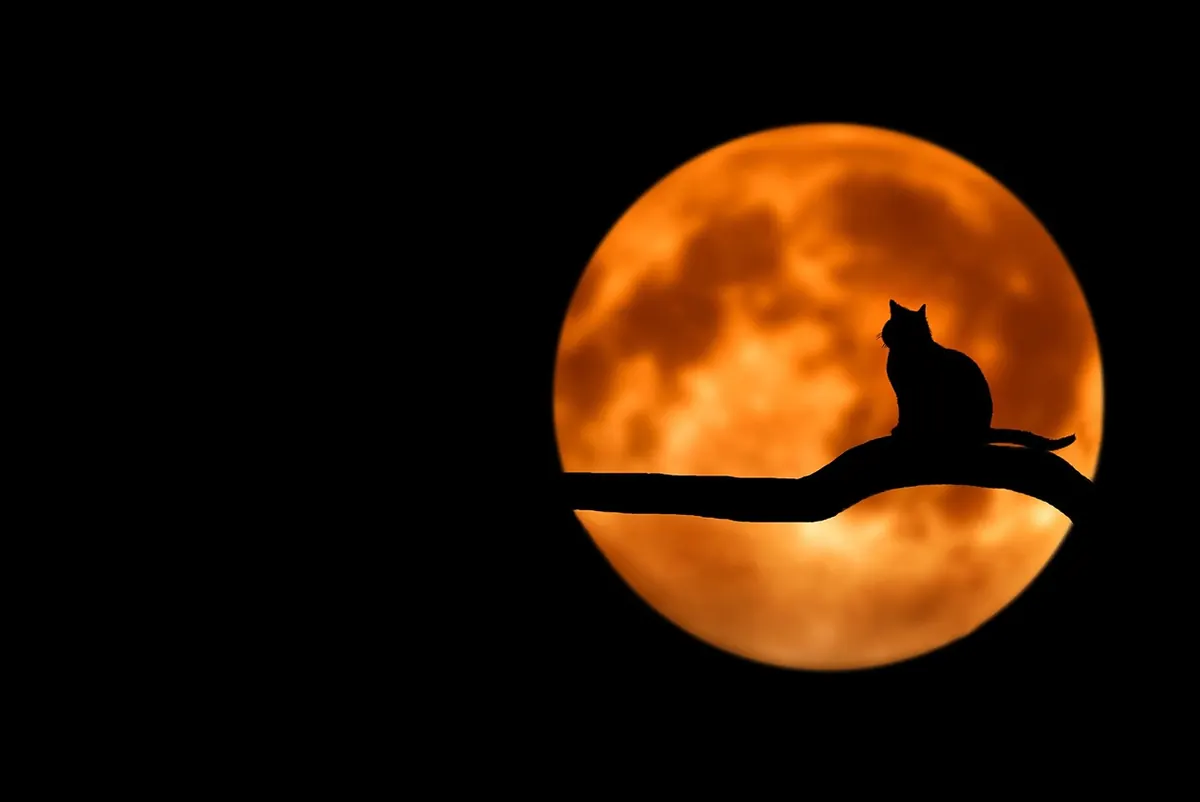
So a harvest moon is not just a bright moon. It rises just after sunset, low and amber, and it lets farmers work later than they otherwise could. That fact alone gives you tension: light that exists to be used, not merely admired. When you write about the autumn moon, you are writing about a light that arrives with a job to do, and about people who are tired.
The specific autumn vocabulary
Notice how much of it is tactile rather than visual. Frost on a gate. Grain dust. A jumper pulled on. The first cold floorboards of the year. Keep a running list of these small physical details as the season goes on; you will use maybe one in ten, and that is fine. The point of the list is that it keeps you specific at the desk.
Harvest Imagery Without the Clichés
Harvest is where most autumn moon poems go wrong. You get a full moon, a field, a sheaf of wheat, a thank-you. The trouble is not that these images are false — they are simply worn smooth. Your job is to find the version of the harvest that only you noticed.
Here is a practical way in. Write down the harvest as a set of actions, then pick the least romantic one. Not the reaping; the loading. Not the feast; the washing-up. Not the full barn; the one crate that got left out in the rain. Small failures and boring labour are more honest than golden fields and they hold more feeling.
Three angles that usually work
- The leftover. The single apple at the top of the tree nobody reached. The dropped grain the birds get. The moon above a field that has already been stripped — abundance gone, light remaining.
- The measurement. Harvest is counting: bushels, jars, days left before the first frost, the number of dark hours. Numbers in a poem can be startlingly intimate.
- The tool. A scythe left against a wall, a ladder still leaning, a barn door that no longer closes. Objects hold the season more quietly than fields do.
Cooling Air, Cold Dew, and the Body in the Poem
Autumn is the season when the body becomes aware of itself again — you notice a draught, you want a second blanket, your hands are cold on the page. Use that. Poems that stay only in the eye tend to feel thin, because the moon is already a visual object and you are adding nothing to it.
A reliable exercise: write a poem about the autumn moon in which nobody looks at the moon. Instead, describe the temperature of the air at the moment the moon rises, and the way someone adjusts their clothing. Let the moon be present only through its effect on the people below. When you finally name it, near the end, it will land.
Listen for the small sounds the cold makes: a gate chain, a stiff hinge, a tin bucket set down hard on stone. Frost is audible before it is visible.
Watch the dew point, not just the sky
If you spend any time outside after dark in autumn, you learn something useful for poetry: the dew falls before you expect it. Paper goes soft. A jacket is suddenly darker on the shoulders. These tiny, unsentimental observations carry more of the season than a dozen references to golden harvests. Ground your poem in one of them and the moon above will feel earned.
Working With the Changing Light
The light in autumn moves in a particular way. The sun drops earlier, and the moon often rises while it is still not fully dark, so you get that double light — pale moon, orange rim, blue field. This is the most useful hour for the poet, because it is an hour of uncertainty and uncertainty is what makes lines interesting.
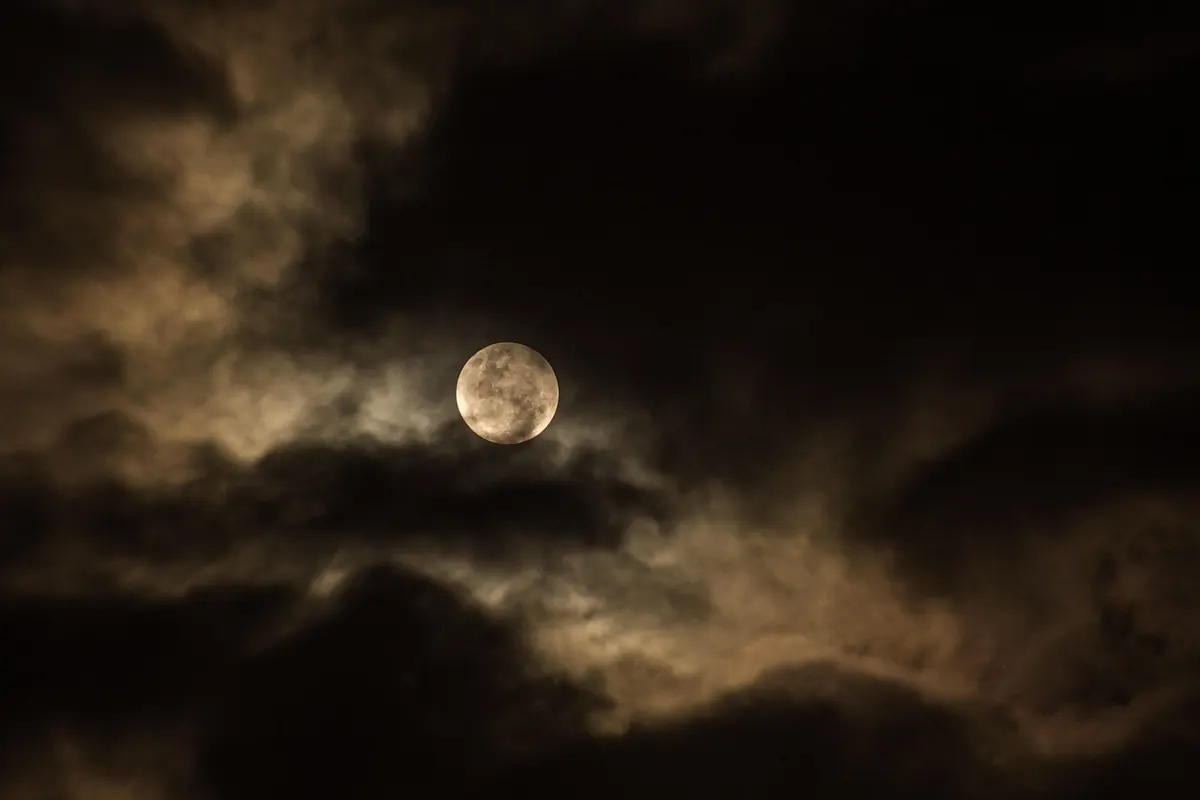
Try writing not about the moon but about the interval: the minutes between the street lights coming on and the sky going properly black. What is visible then? What colour is the moon at that moment — bone, milk, brass? Be precise. If you find yourself writing "silver moon", stop and go outside and check. It is almost never silver in early autumn.
An ordered approach for a first draft
- Pick a single hour of the season — not "autumn" but a specific evening in late September.
- Write ten lines of plain observation with no metaphor at all. Temperature, sound, smell, one thing you can touch.
- Choose the two observations that surprised you most and cut the rest.
- Place the moon in the poem only once.
- End on a concrete image rather than an explanation. Do not tell the reader what autumn means.
That fifth step is where most drafts fail. The temptation to close with a wise statement about change and loss is enormous, and it nearly always weakens the poem. Trust the image. If you have chosen well, it will do the work.
Form, Rhythm, and the Season's Own Pace
Autumn poems tend to move at a slower pace than spring poems, and the form should follow. Short lines suggest frost and thin air; longer, looping sentences suit the low, heavy moon on the horizon. Neither is more authentic. Read the draft aloud and listen for whether the rhythm matches the temperature.
If you are writing in rhyme, be careful with the obvious pairs — "moon/soon", "leaves/grieves" — because they will make your reader relax before the poem has earned it. Slant rhyme works well in autumn, and so does internal rhyme. A poem whose sounds are slightly withheld feels more like the season than one that chimes neatly at every line end.
Keep a Season Notebook
The single most useful habit for autumn moon poetry is also the dullest: take notes. Not ideas for poems — notes on what actually happened. The date, the time, the moon's colour, whether it was clear, what you could hear. Three lines a night is plenty. By the end of October you will have a bank of material that no other poet in your town has, because it belongs to your specific street, your specific weather.
What to record
- The moon's apparent colour and size, in your own words, once per clear evening.
- One sound and one smell from the moment you stepped outside.
- Anything that changed since the previous night — a tree stripped, a hedge cut, a field ploughed.
- A single line of overheard speech, unedited.
Six weeks of this and you will not need to invent autumn imagery. You will have too much, which is a far better problem.
Putting It Into Practice This Week
Go outside tonight, or tomorrow if it is overcast. Stay for ten minutes. Note the colour of the moon and the temperature of the air on your hands, and nothing else. Come back in and write ten lines that never use the word "autumn" and use the word "moon" only once. Do not revise that draft in the same sitting.
Return to it in two days. Cut anything that sounds like a greeting card, keep the strangest detail, and read the result aloud. If a line makes you slightly uncomfortable because it is too plain, keep that one too. Autumn does not need much help from us; it needs us to be accurate, awake, and willing to stand outside a little longer than is strictly comfortable.
Photo: sakibmia2 / Pixabay